
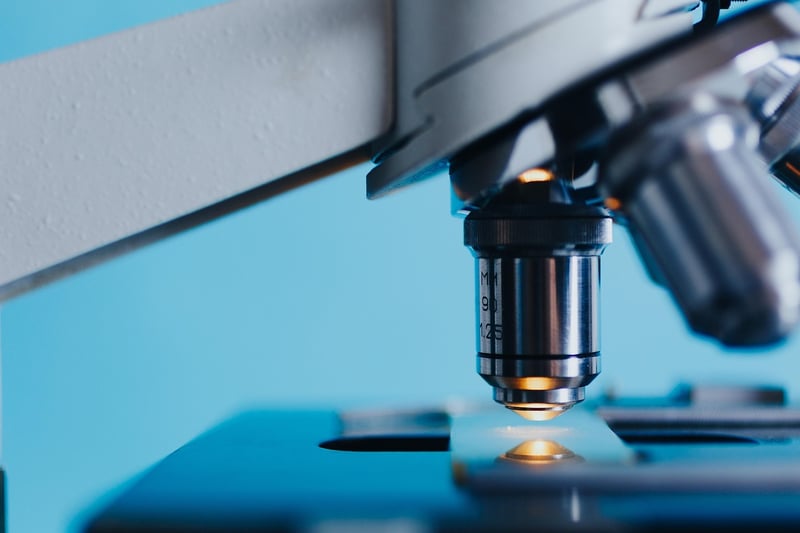
The Science Behind Cooking + Gelification Techniques
Cooking is not just an art; it's also a science. Understanding the principles behind cooking techniques can elevate your culinary skills to new heights. One such fascinating aspect of cooking is gelification, a process that transforms liquids into gels. Let's delve into the science behind cooking and explore gelification techniques.
The Science of Cooking
Cooking involves various chemical reactions and transformations that occur when food is exposed to heat. Understanding the science behind cooking can help you control these reactions and create delicious dishes consistently.
Key Concepts:
- Maillard Reaction: The Maillard reaction is responsible for the browning of foods when exposed to heat, resulting in the development of complex flavors.
- Denaturation: Proteins in food denature when exposed to heat, changing their structure and texture. This is crucial in processes like cooking meat and eggs.
- Emulsification: Emulsifiers help stabilize mixtures of liquids that would normally separate, such as oil and water, to create creamy and smooth textures.
Gelification Techniques
Gelification is a culinary technique that involves turning liquids into gels. This process is essential in creating a variety of dishes, from desserts to savory dishes. There are two primary methods of gelification:
1. Agar-Agar Gelification
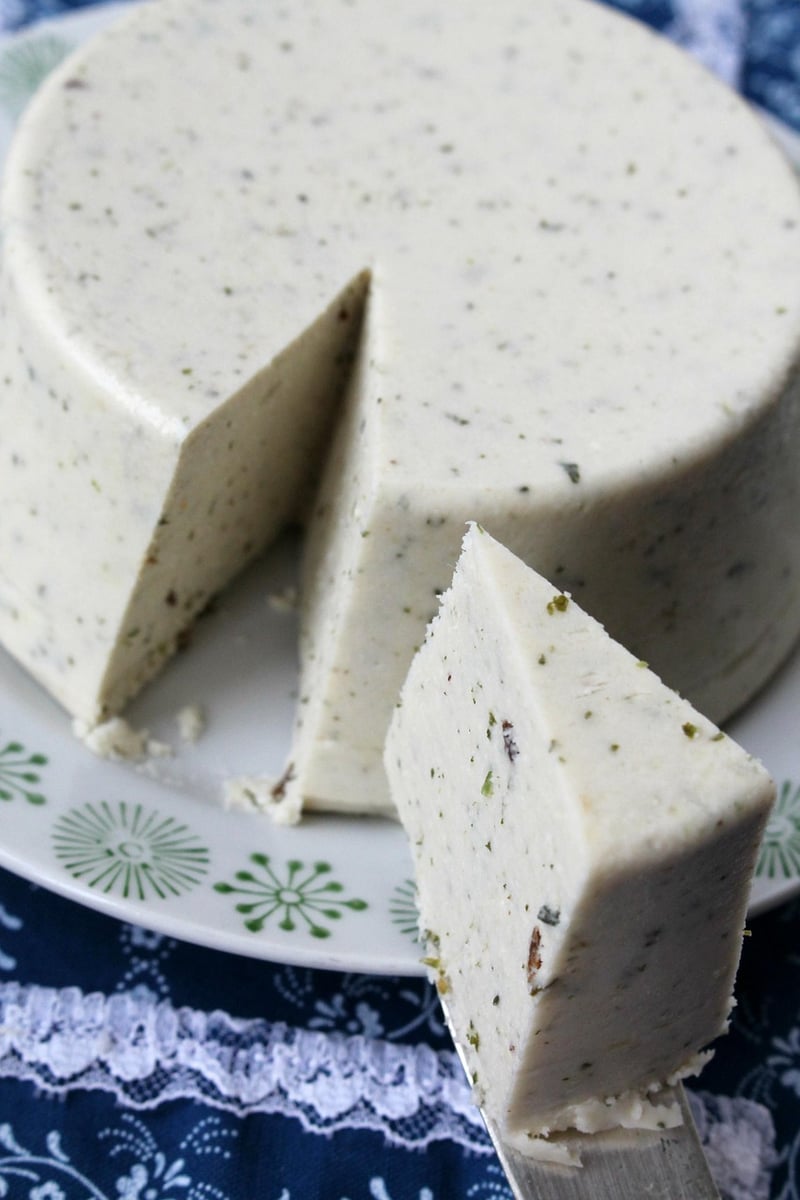
Agar-agar is a vegetarian gelatin substitute derived from seaweed. It is heat-resistant, making it ideal for hot preparations. To use agar-agar for gelification, dissolve it in a hot liquid, then let it set to form a gel.
2. Gelatin Gelification
Gelatin is derived from collagen and is commonly used in sweet and savory dishes. It requires hydration in cold water, followed by heating to dissolve it. Once the liquid cools, it forms a gel.
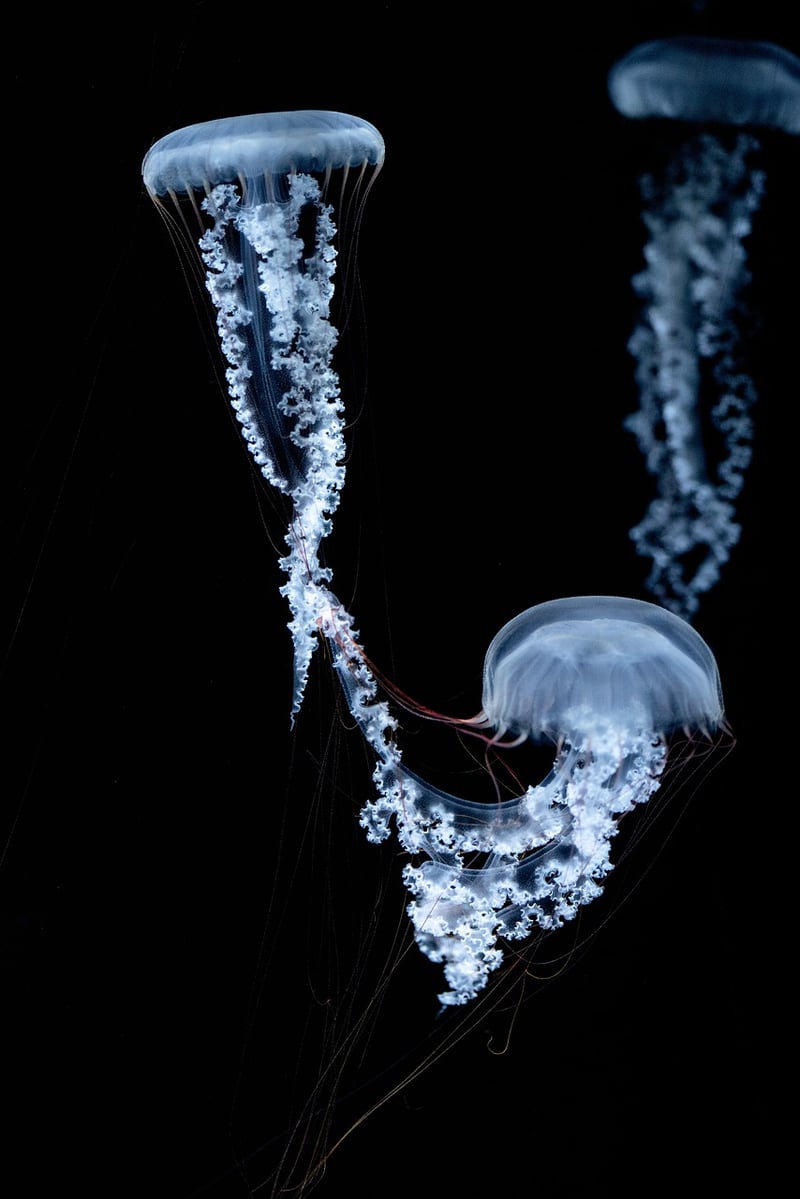
Mastering gelification techniques allows you to create a wide range of textures and presentations in your dishes, adding a unique touch to your culinary creations.
Next time you step into the kitchen, remember that behind every dish lies the fascinating science of cooking, waiting to be explored and experimented with.
Happy Cooking!